In NHS Ayrshire & Arran Health Board v HMRC [2026] UKUT 00258, the Upper Tribunal (UT) held that the construction of an accommodation wing at a secure inpatient mental health facility was not eligible for VAT zero-rating.


Summaries of interesting VAT cases for the SME owner.
In NHS Ayrshire & Arran Health Board v HMRC [2026] UKUT 00258, the Upper Tribunal (UT) held that the construction of an accommodation wing at a secure inpatient mental health facility was not eligible for VAT zero-rating.
In HMRC v Align Technology Switzerland GmbH & Anor [2026] UKUT 00256, the Upper Tribunal (UT) reversed the decision of the First Tier Tribunal (FTT), holding that orthodontic aligners do not qualify for VAT exemption as dental prostheses.

HMRC and the Treasury have launched a consultation, 'Extending VAT online marketplace liability to combat non-compliance', inviting views on plans to extend the existing Online Marketplaces (OMP) VAT liability rules. The proposals would bring within scope sales made via OMPs by UK-based businesses where their goods are situated in the UK at the point of sale.

The government have launched a new consultation, 'VAT treatment of land intended for the construction of new social housing'. The consultation seeks opinions on the administration of a new zero-rate VAT relief.

The government is introducing a temporary reduced rate of VAT for children's meals in restaurants and family leisure activities over the summer. VAT will be reduced from 20% to 5% on these qualifying activities as part of the latest government drive to ease pressure on household budgets.

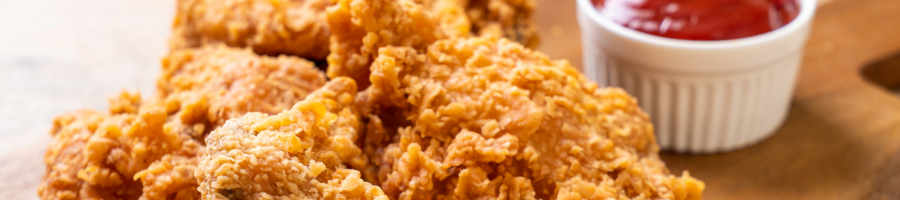
In Queenscourt Ltd v HMRC [2026] UKUT 00195, the Upper Tribunal (UT) found that dip pots provided as part of KFC meal deals were zero-rated as components of a multiple supply.
HMRC have published 'Revenue and Customs Brief 4 (2026): VAT liability of supplies of electricity from public electric vehicle charge points'. This explains HMRC’s position following the First Tier Tribunal (FTT) decision in Charge My Street Ltd v HMRC [2026] TC09802.
